Stats
←Character gameplay
Defining your character
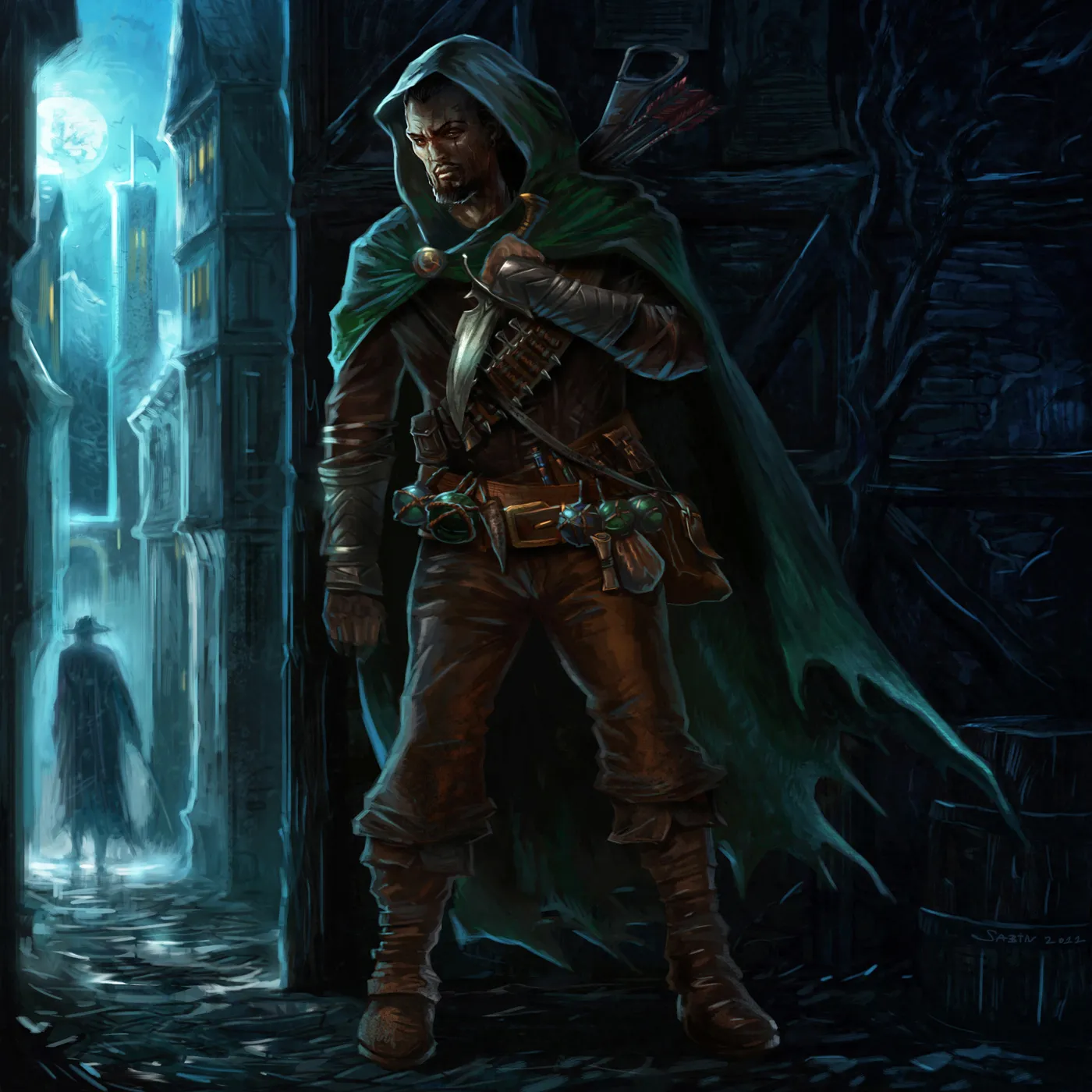
Your class is the framework for your character’s abilities, playstyle, and role in the party. It determines hit points (HP) using hit dice, proficiency in weapons, armor, and tools, and starting equipment. Classes define your core abilities, whether that’s spellcasting, martial combat, stealth, or support. For example, a wizard relies on intelligence and spells, while a fighter focuses on strength, weapons, and endurance. Class choice heavily influences both combat and non-combat strategies, shaping how you contribute to the group.
Types of classes
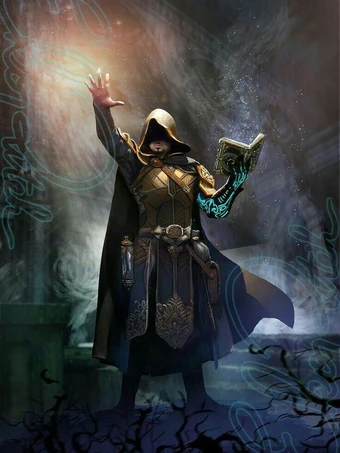
There are 13 main classes, each with unique abilities:
Artificer: Inventive magic users, skilled with tools and gadgets.
Barbarian: Melee fighters with rage abilities and high durability.
Bard: Support-focused, versatile spellcasters and performers.
Cleric: Divine spellcasters who heal and deal damage.
Druid: Nature-themed spellcasters, shapeshifters, and environmental specialists.
Fighter: Masters of weapons and martial tactics, flexible in combat roles.
Monk: Martial artists relying on agility, unarmed strikes, and ki energy.
Paladin: Holy warriors with smites, healing, and support magic.
Ranger: Skilled hunters and trackers with ranged and nature-based abilities.
Rogue: Stealthy, agile, and skilled in surprise attacks and utility.
Sorcerer: Spellcasters with innate magic, often focused on damage or manipulation.
Warlock: Pact-bound spellcasters with unique powers and invocations.
Wizard: Arcane scholars with vast spell knowledge, flexible but fragile.
Each class defines the role you play in combat and the party, and influences which challenges you excel at outside of combat.
Subclasses
Subclasses specialize your class, providing unique abilities and flavor between levels 1–3 (depending on the class). For example:
Champion Fighter: Focuses on critical hits and athletic prowess.
Battle Master Fighter: Uses maneuvers to control the battlefield strategically.
Evocation Wizard: Specializes in damage-dealing spells.
Subclasses enhance versatility and allow deeper customization, giving your character more options in both combat and roleplay.
Leveling up
Leveling increases your HP, unlocks new abilities, improves proficiency, and may grant ability score improvements or new spells. For example, a level 3 rogue gains sneak attack damage and cunning action, while a level 3 wizard gains access to 2nd-level spells. Leveling expands your tactical options and defines how your character grows throughout the campaign.
Multiclassing
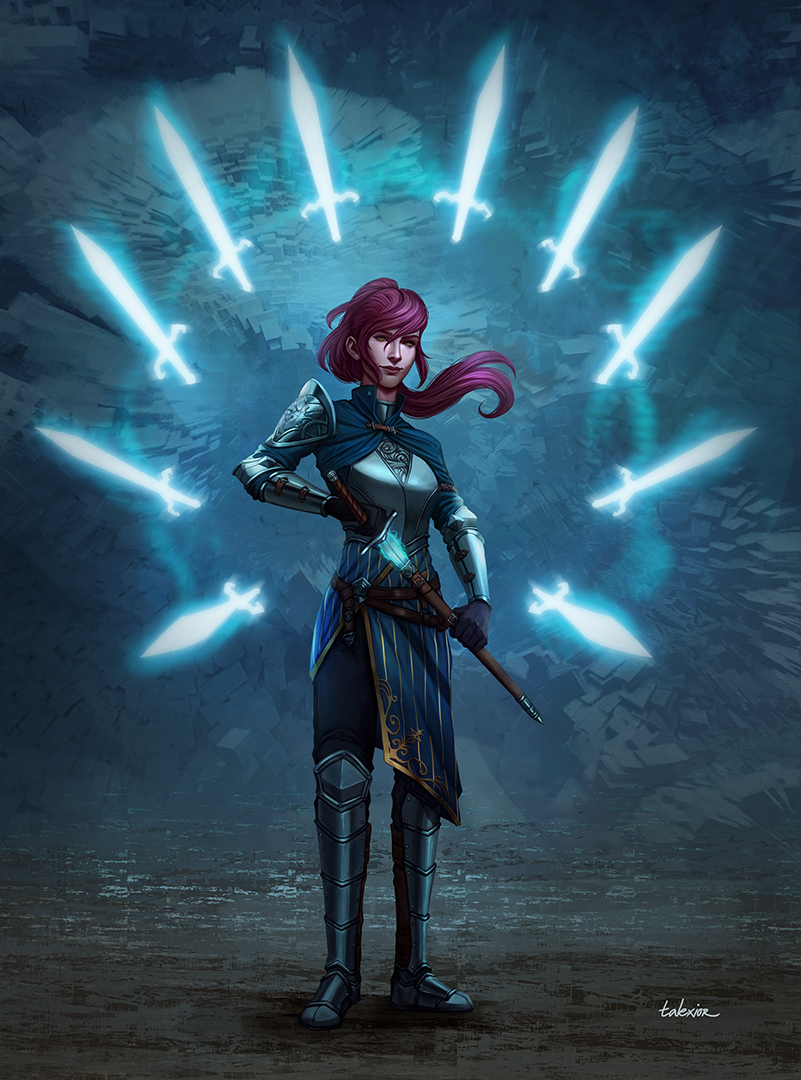
Multiclassing allows a character to take levels in two classes, combining abilities to create unique synergies. For example, a Barbarian 3 / Fighter 2 has Rage, extra attacks, and Action Surge, combining durability and burst damage. Multiclassing slows progression in each individual class but keeps overall character level growth consistent. It’s a tool for advanced customization, offering creative combinations that expand playstyle and strategy.